

Quality & safety of substances of human origin
Organs, tissues and cells
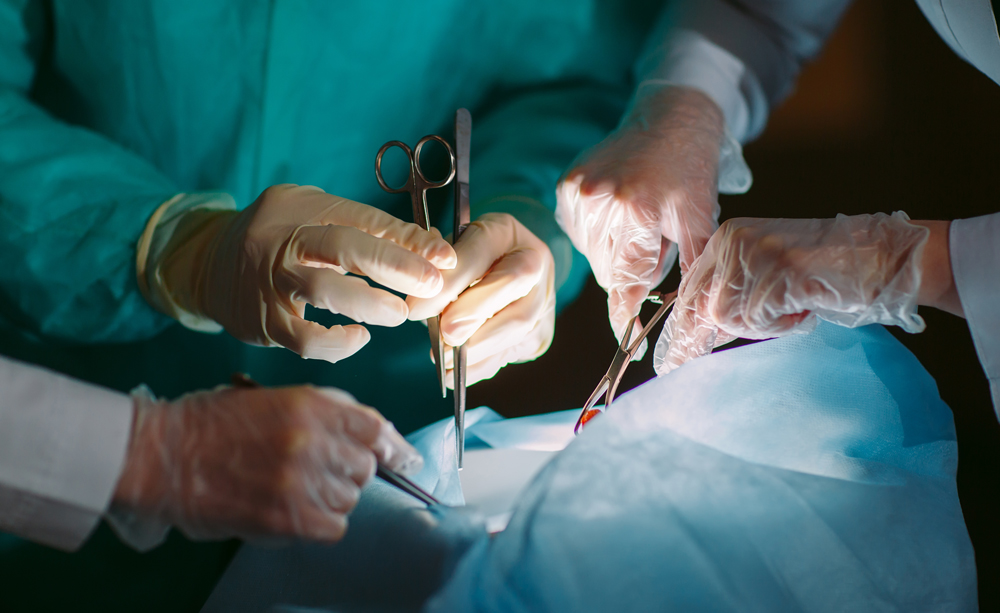
The EDQM’s transplantation activities, overseen by the European Committee on Organ Transplantation (CD-P-TO), include the collection of international data and monitoring of practices in Europe, knowledge sharing between member states (health authorities, professional organisations and experts) through training and networking, and the elaboration of reports and guidance documents.
Work programme
Fight against unethical transplantation practices
Transplantation abroad may be a viable, ethical solution for some patients in exceptional, justified circumstances, after referral of the patient’s need for a transplant through official channels and when supported by solid medical, organisational or social reasons. Other patients with no or limited access to transplantation in their home countries may, out of desperation, resort to transplantation abroad outside of official channels. Travel for transplantation becomes “transplant tourism”, and thus unethical, when it involves trafficking or when resources (including organs) are devoted to providing transplants to non-resident patients, undermining a country’s ability to provide transplant services for its own population. Travel for transplantation is currently a largely unexplored topic.
The EDQM Network of National Focal Points on Travel for Transplantation (NETTA) was established in line with Resolution CM/Res(2013)55 on establishing procedures for the collection and dissemination of data on transplantation activities outside a domestic transplantation system and Resolution CM/Res(2017)2 on establishing procedures for the management of patients having received an organ transplant abroad upon return to their home country to receive follow-up care. The terms of reference for this network were approved in 2023. To date, 34 countries have designated national focal points (NFPs), which provide information to the Registry of International Travel for Transplantation Activity (RITTA) on an annual basis. The international exchange of information about patients who have travelled abroad to receive an organ transplant serves to shed light on this phenomenon, identify possible transplant tourism hotspots, profile donors and recipients, and provide insight into the quality of transfer of care and its impact on post-transplant outcomes. By the end of 2023, RITTA contained information on almost 900 patients.
In 2023, the Council of Europe Convention against Trafficking in Human Organs was signed by Azerbaijan and ratified by France. To date, 15 states have ratified this convention and another 12 have signed it.
Technical guides
The EDQM develops and provides comprehensive technical standards and guidance in organ donation and transplantation and the application of tissues and cells for a broad range of healthcare professionals, inspectors and national authorities. They are published in the form of the Guide to the quality and safety of organs for transplantation (the “Organ Guide”, 8th edition, 2022) and the Guide to the quality and safety of tissues and cells for human application (the “Tissue and Cells Guide”, 5th edition, 2022), both of which are regularly revised and updated to ensure they keep pace with scientific developments and regulatory changes. The dedicated working groups of internationally recognised experts, working under the aegis of the CD-P-TO, entrusted with this invaluable and highly rewarding mission, worked actively in 2023 on the drafting of the 9th edition of the Organ Guide and the 6th edition of the Tissue and Cells Guide, scheduled for publication in 2024 and 2025, respectively.
Establishing national harmonised organ transplant registries
In September 2023, the Council of Europe Committee of Ministers adopted Recommendation CM/Rec(2023)7 on establishing national harmonised organ transplant registries with a view to facilitating international data sharing. This legal instrument, drafted by the CD-P-TO, recommends that states promote the development and maintenance of national transplant registries, with a view to facilitating international data sharing. It includes as appendices the general principles on establishing national harmonised organ transplant registries and a series of datasets detailing the parameters to be considered for inclusion in any national registry.
Joint programmes
Within the framework of its co-operation with the European Commission, the EDQM organised the “3rd European training course on Quality Management for Tissue Establishments” from 5 September to 18 October, with 200 participants from 27 countries in attendance. This training event provided tools for the successful implementation of a quality management system, from identification of a potential donor through processing and storage of the tissues or cells, to the final preparation for application in the patient.
European Donation Day
The 2023 European Donation Day (EDD), the European day for organ, tissue and cell donation, was hosted by Spain (Santander) on 11 November and featured a popular walk to help raise awareness of donation and transplantation issues among the general public. In the days leading up to the event, the EDQM’s CD-P-TO held its annual meeting and the Spanish authorities, under the EU Presidency of Spain, held an international scientific conference entitled “Towards Global Convergence in Transplantation: Sufficiency, Transparency & Oversight”.
EDD was supported by the social media campaign “Your present is their future”, which emphasised the importance of organ, tissue and cell donation as a remarkable, compassionate gift through which a donor’s present can facilitate the receiver’s future. The campaign aimed to inform, provide perspective and to thank donors for the gift of life.
Publications
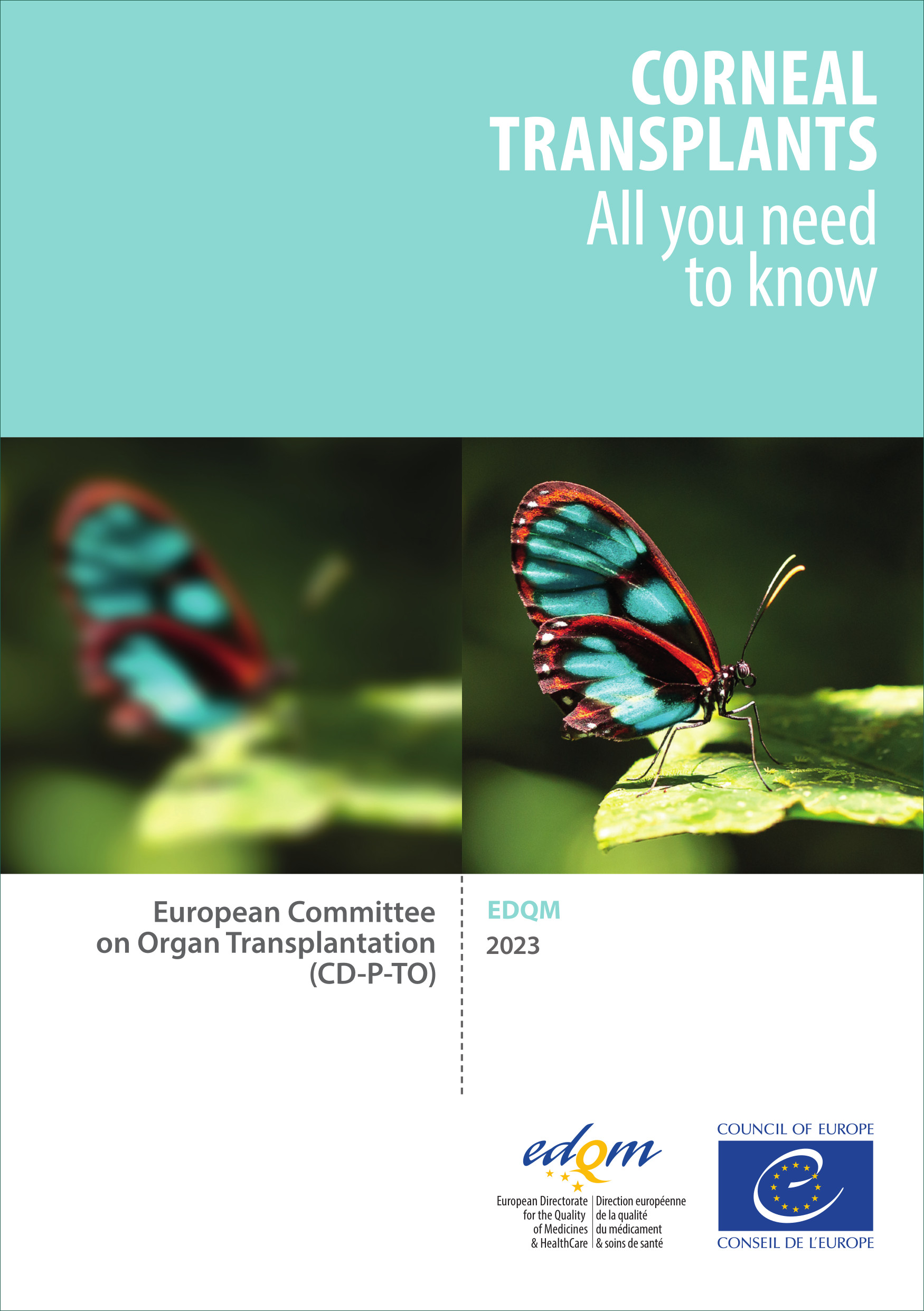
Corneal transplants – All you need to know
The CD-P-TO published a booklet on corneal transplants, drafted in collaboration with the European Eye Bank Association (EEBA). It provides clear, accurate and unbiased information to help readers make informed, responsible decisions on corneal donation and transplantation. All booklets for the general public on tissues and cells are available for download at https://go.edqm.eu/OTCbrochures.
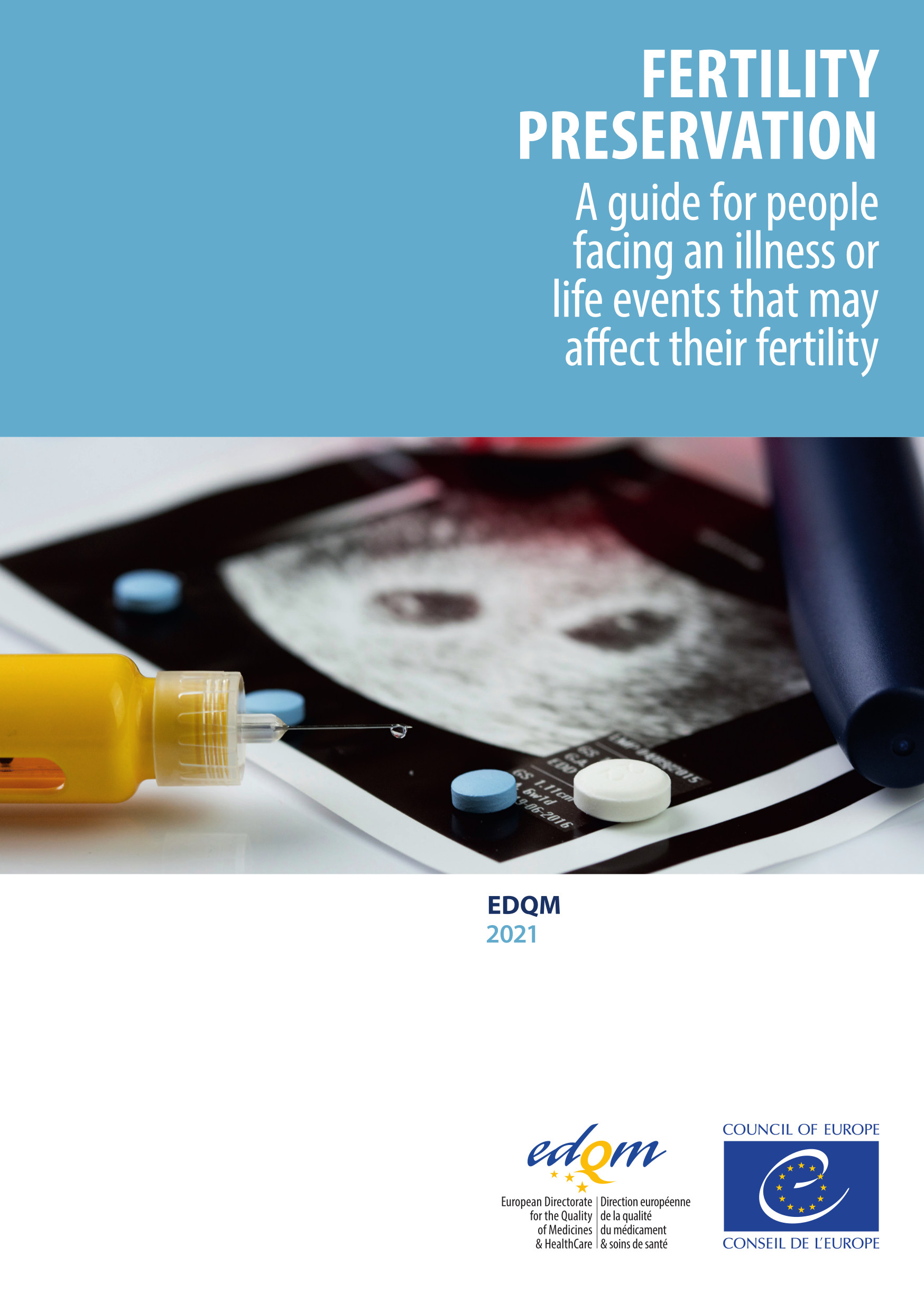
Fertility preservation: A guide for people facing an illness or life events that may affect their fertility
Fertility preservation is the process of freezing and storing a person’s oocytes, sperm, reproductive tissue and/or embryo(s), enabling them to attempt to have biological children later in life. The method of fertility preservation and potential implications of the choices made will depend on the specific situation of each person and their age, among many other factors.
Drafted by the European Committee on Organ Transplantation (CD-P-TO), composed of independent and internationally recognised experts, in collaboration with the European Society of Human Reproduction and Embryology (ESHRE), this booklet aims to provide clear, accurate and balanced information on fertility preservation. It describes situations in which fertility preservation may be considered, the cryopreservation techniques available and the possible uses of stored cells, tissues and embryos.
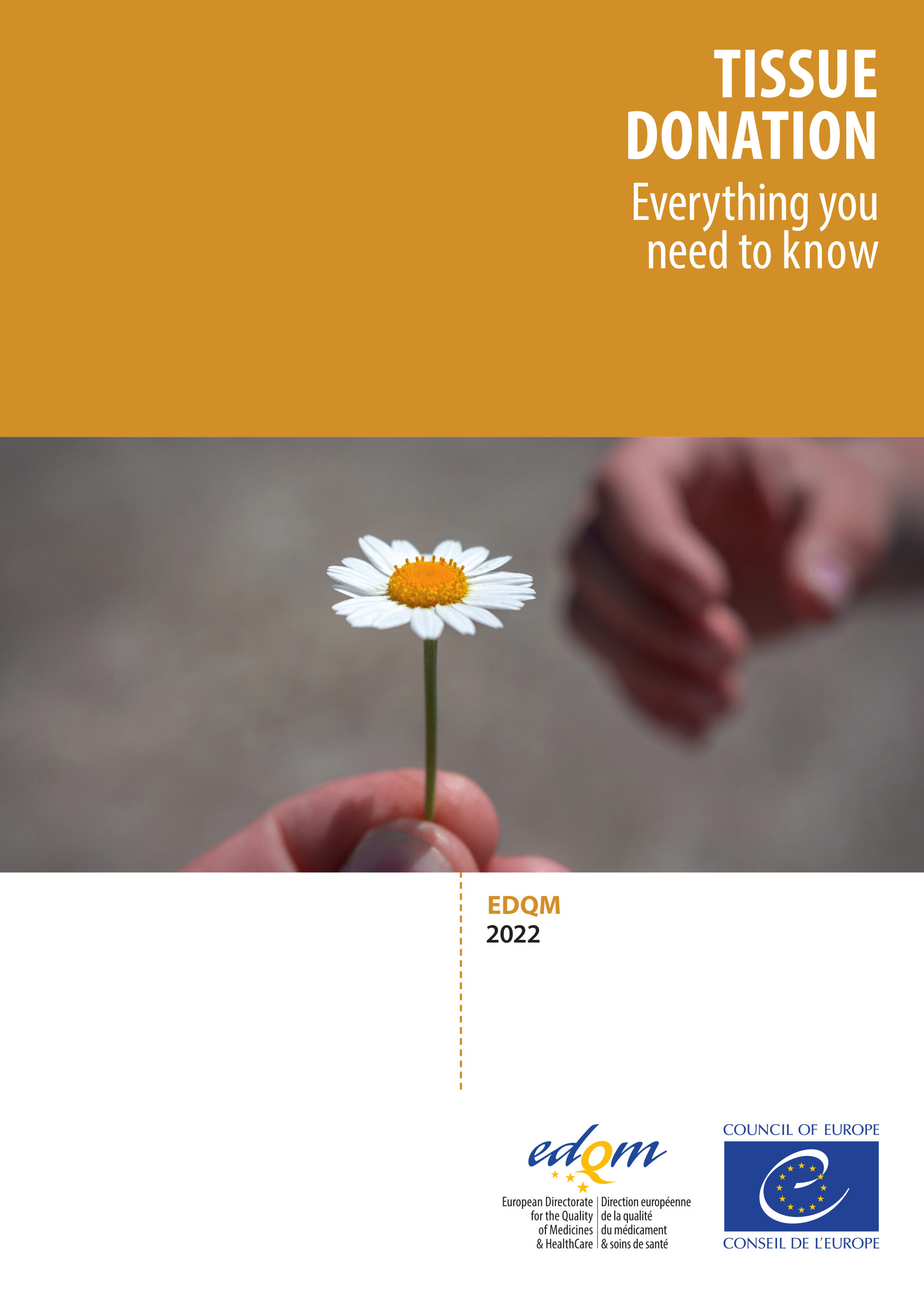
Tissue donation. Everything you need to know
This booklet provides some basic information about tissue donation. It is intended to provide readers with clear, accurate and balanced information that will help them make informed decisions according to their values.
This guide has been prepared by the Council of Europe European Committee on Organ Transplantation (CD-P-TO), composed of internationally recognised experts, in collaboration with the European Association of Tissue Banks (EATCB) and the European Eye Bank Association (EEBA).
Newsletter Transplant
The 2023 edition of the Newsletter Transplant was published in September. This annual publication, co-ordinated by the Spanish National Transplant Organisation (ONT), provides comprehensive information and data from 86 countries worldwide on organ, tissue and cell donation and transplantation, management of waiting lists, refusal rates for donation and authorised centres for transplantation treatments.
SoHO technical guides
To help ensure quality and safety in the field of substances of human origin (SoHO), the EDQM has been entrusted with managing the risk-assessment tool EuroGTP II for good tissue and cell practices. The EDQM launched the revised version of this interactive assessment tool as a new section of its SoHO platform on 15 November 2023, alongside the Microbiological Risk of Contamination Assessment (MiRCA) tool.
Other publications from the CD-P-TO working groups included:
- “Protection of haematopoietic progenitor cell donors: an updated overview of the European landscape”, Bone marrow transplantation (Sánchez Ibáñez et al. 2023a).
- “Physical Examination of Potential Deceased Organ and Tissue Donors: An Overview of the European Landscape”, Transplant international (Chandrasekar et al. 2023).
- “Approaching the Families of Potential Deceased Organ Donors: An Overview of Regulations and Practices in Council of Europe Member States”, Transplant international (Mihály et al. 2023).